

When choosing photography for your project, a combination of thematic stock photos and custom photoshoots should be able to provide all necessary images. When choosing (and shooting) images, look for:
- interesting, asymmetric compositions
- “white” or negative space
- utilize close crops
- diversity of subjects both in race and gender
- subject matter of off-campus images should be topical
Avoid excessive shots of campus architecture. Instead, choose classrooms, students, or natural elements (plants, sky, etc.). When applicable, incorporate current event images to convey a theme or topic. Look for editorial images instead of banal “stock” images. Lastly, use global images as much as possible. Try not to limit industry/initiative images to a U.S. focus.
Portraits
Portraits should be forward-facing with the following attributes:
- Intimate & authentic
- Clean and simple composition
- Soft background
- Looking toward camera
- Relevant props & environments



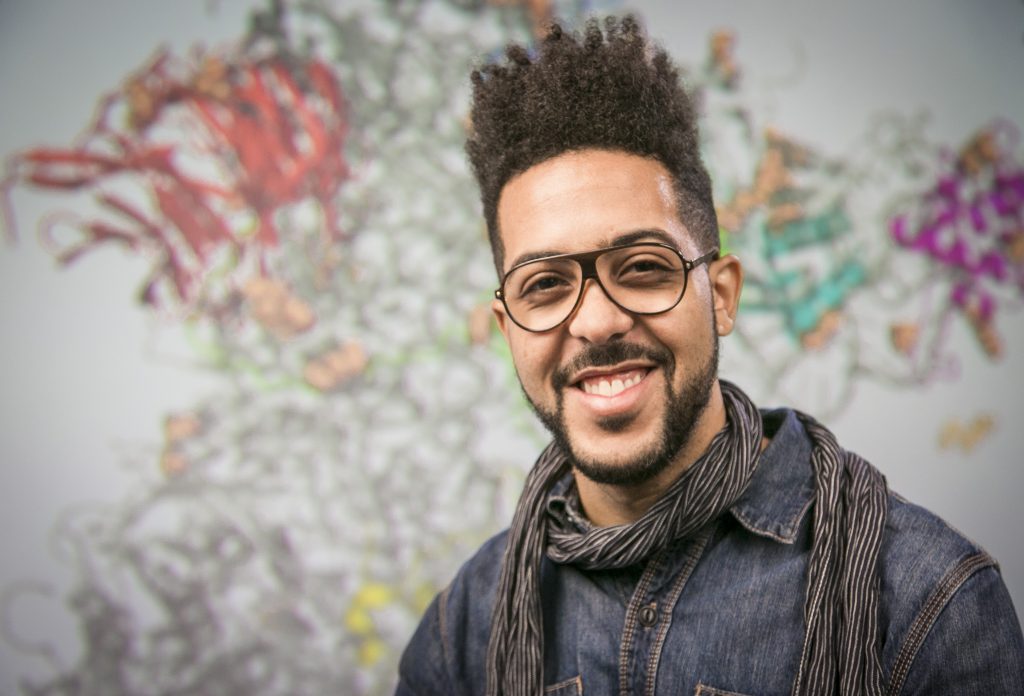
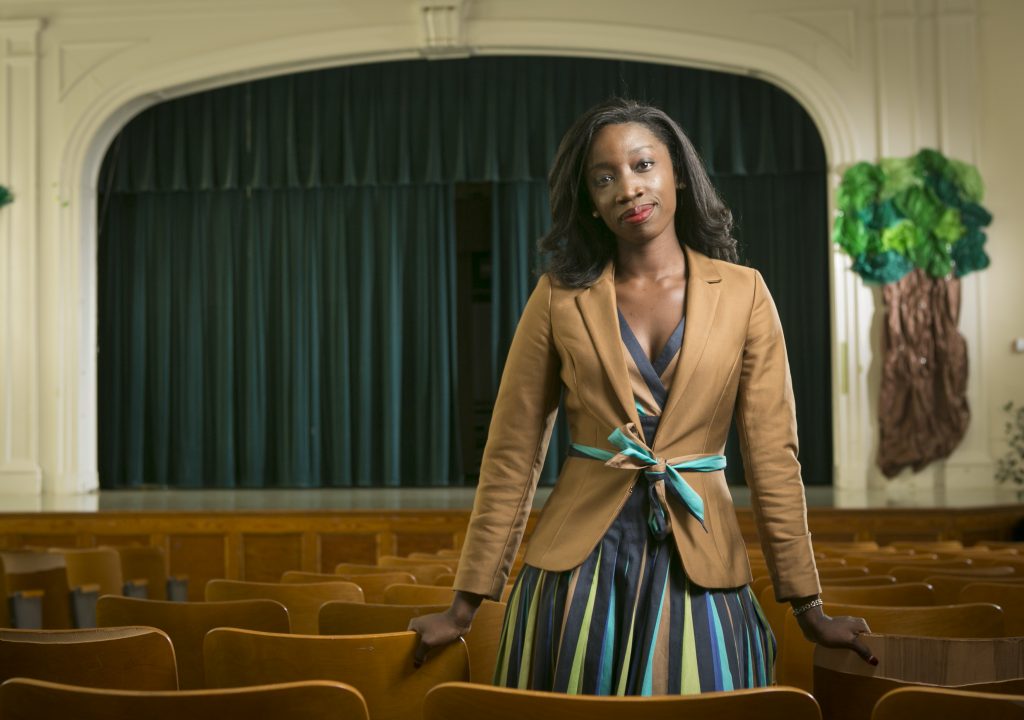
Alumni portraits should be off-campus (to illustrate our impact in the real world) and, when at all possible, include props from their industry. When portraits occur on campus, choose interesting backgrounds such as artwork or the natural world.
Other Things to Consider
Focus
Create a point of focus such that the background blurs a bit, but avoid the image getting too “soft.”
Expression
Can be anything, really. Just try and capture your subject at ease, with their most natural expression.
Background
Be creative, look for backgrounds that are graphic, quiet, or artful.
Proximity
Try the extremes; either really close or really far can be unusual and wonderful.
Candids/In-context
Effective photographs will have the following attributes:
- Action, reaction and interaction
- Showing community
- Unusual angles & points-of-view
- Context & space
- Immersive
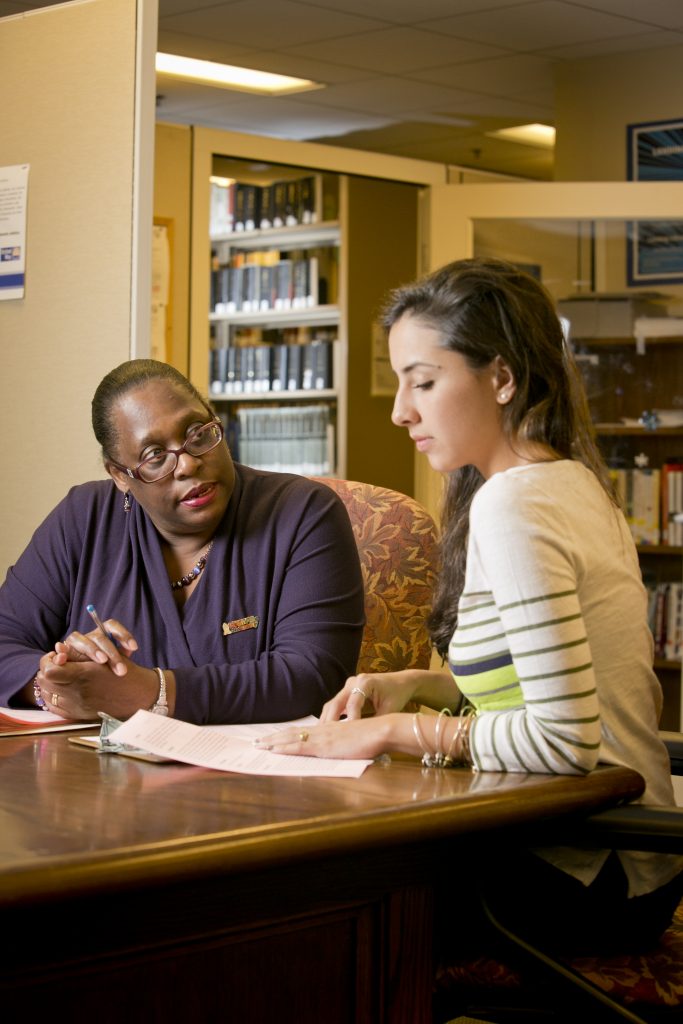
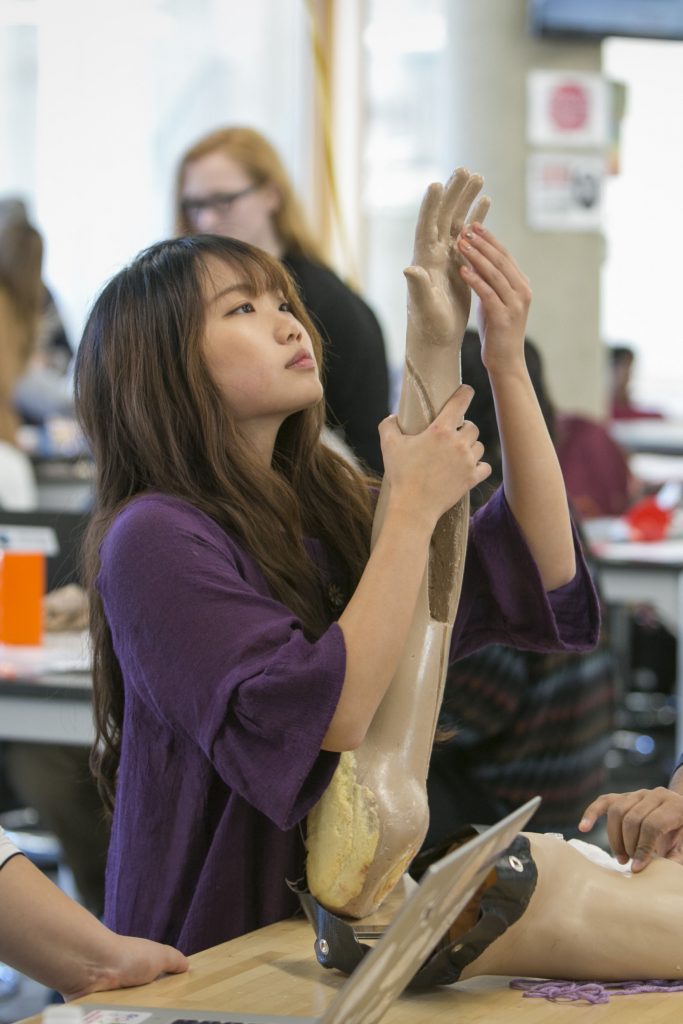

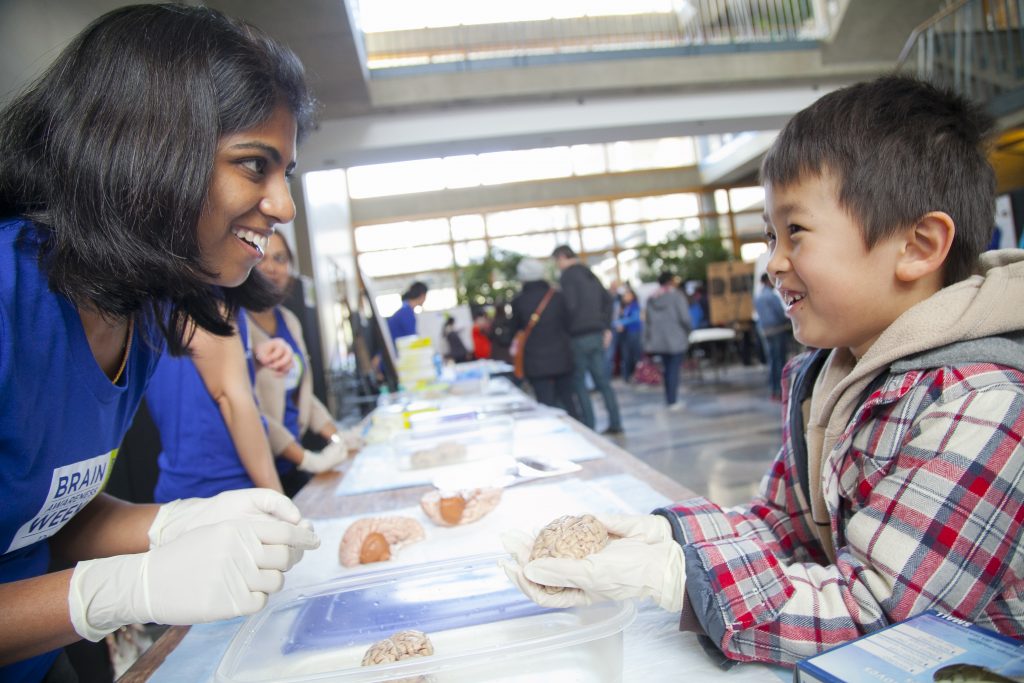
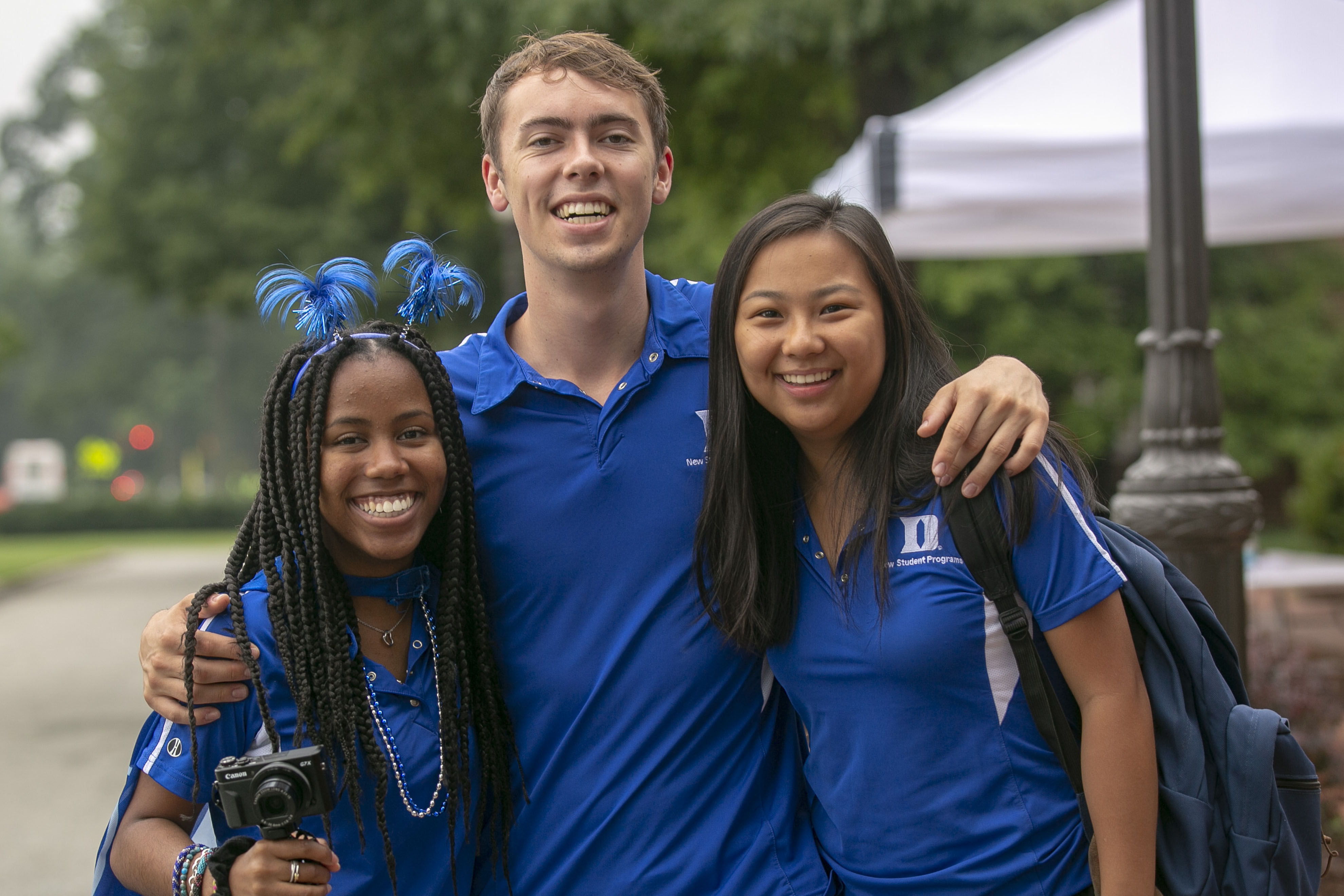
Photographs that make the user feel as though they are a part of the action can be very impactful. It gives the viewer a sense of being a part of the setting rather than simply viewing.
Successful event photography will capture the unique aspects of the event along with the sponsoring unit’s brand/mark. It may seem like photos of speakers, lectures or symposiums provide context but the goal is to differentiate it from all other photos of event speakers. A photographer should seek opportunities to capture interaction of the speaker(s) with the audience and shoot from different angles.
Scenics & Interiors
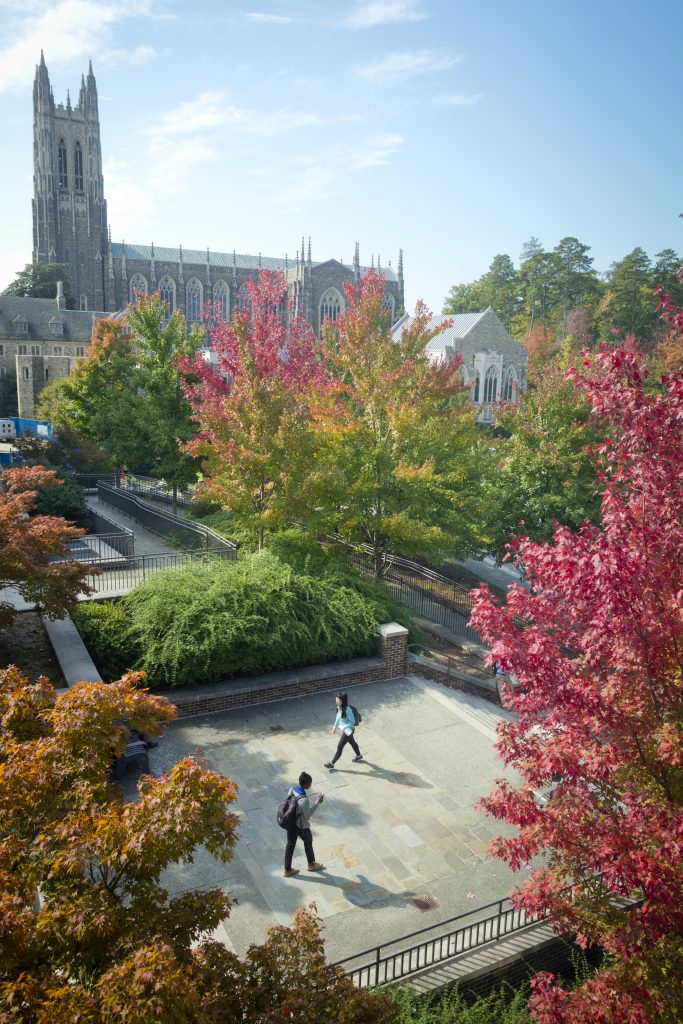
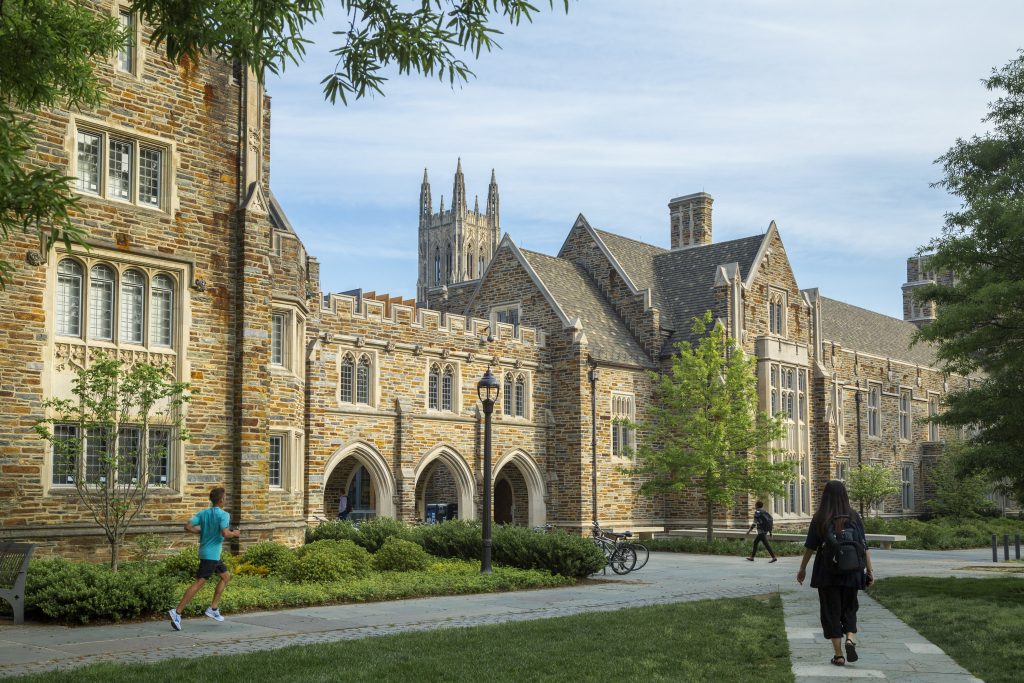
Duke is a beautiful place. When considering scenic imagery, consider the time of day for lighting, the traffic pattern of the area and if there may be any zones with special privacy considerations (i.e. the Health System).
- Time of day & light
- Traffic & activity
- People inhabiting the scene
- Leading lines & framing
- Scale, depth and layers



Incorrect Use of Imagery
Please keep these guidelines in mind when selecting images:
- Use stock photos sparingly and avoid those that have a generic feel
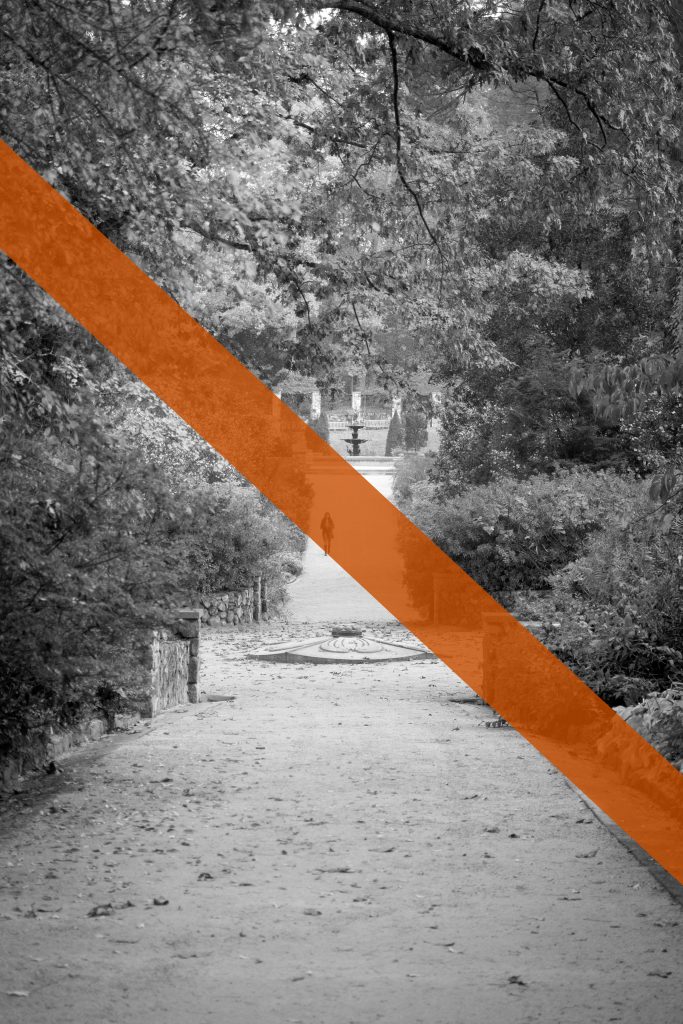
- Use filters sparingly and avoid distorting the natural look of photos


Obtaining Signed Releases
Most spaces on campus are considered public domain and therefore releases of photos/video captured in these areas (the Quads, grounds, spaces open to the public) do not require a signed consent form.
Signed releases must be obtained from all people photographed during formal photo shoots and video shoots for promotional materials.
The more an image easily identifies a specific individual, the more likely it is that written permission from the person photographed is necessary. If you plan to attach the name of a participant to a particular photograph in promotional materials, make sure that you have a signed release from that person. Group and crowd shots, where individuals are not easily identifiable, do not require specific permission from all individuals appearing in the image you are planning to use.
When taking personal/individual photos please use the University Photo Release Form.
To maintain patient privacy and ensure HIPAA compliance, any photography or videography in or near the Health System requires permission from the Health System. Please contact Duke Health News & Media for more information.
Releases should be stored WITH the image file and not exist separate from the photo.
Photography Resources
Duke’s Asset Management System (NETID required) is a wonderful resource of over 7,000 images. It is refreshed regularly with community-sourced photos as well as new imagery captured by the University Communications team.
Duke University Archives Yearlook Flickr site is a great resource for archival photos of Duke through the years.
Refer to the compiled list of Photography Vendors to find resources to fill your photography needs. You can also review Duke Financial Services’ contractor guidelines and learn how to procure and pay for services.
Can I use that picture?
“It’s on Google. I can use it, right?”
It’s tricky. Use the infographic from The Visual Communication Guy to determine where content falls on the copyright spectrum.